
The Eastward Spread of Buddhist Radiance: An 18-Night, 19-Day Humanities Journey through Central Plains Buddhist Art and the Eastern Section of the Silk Road
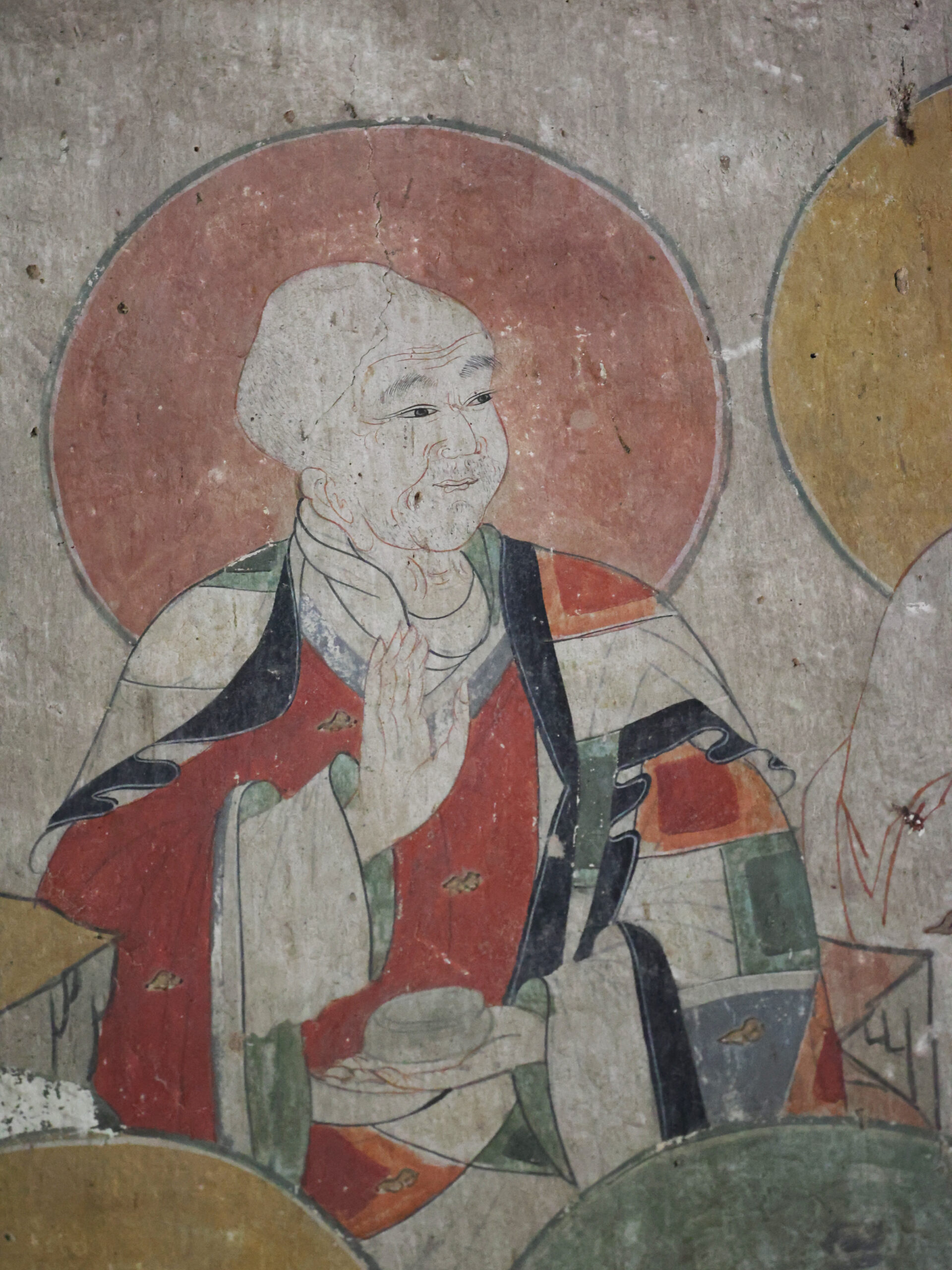
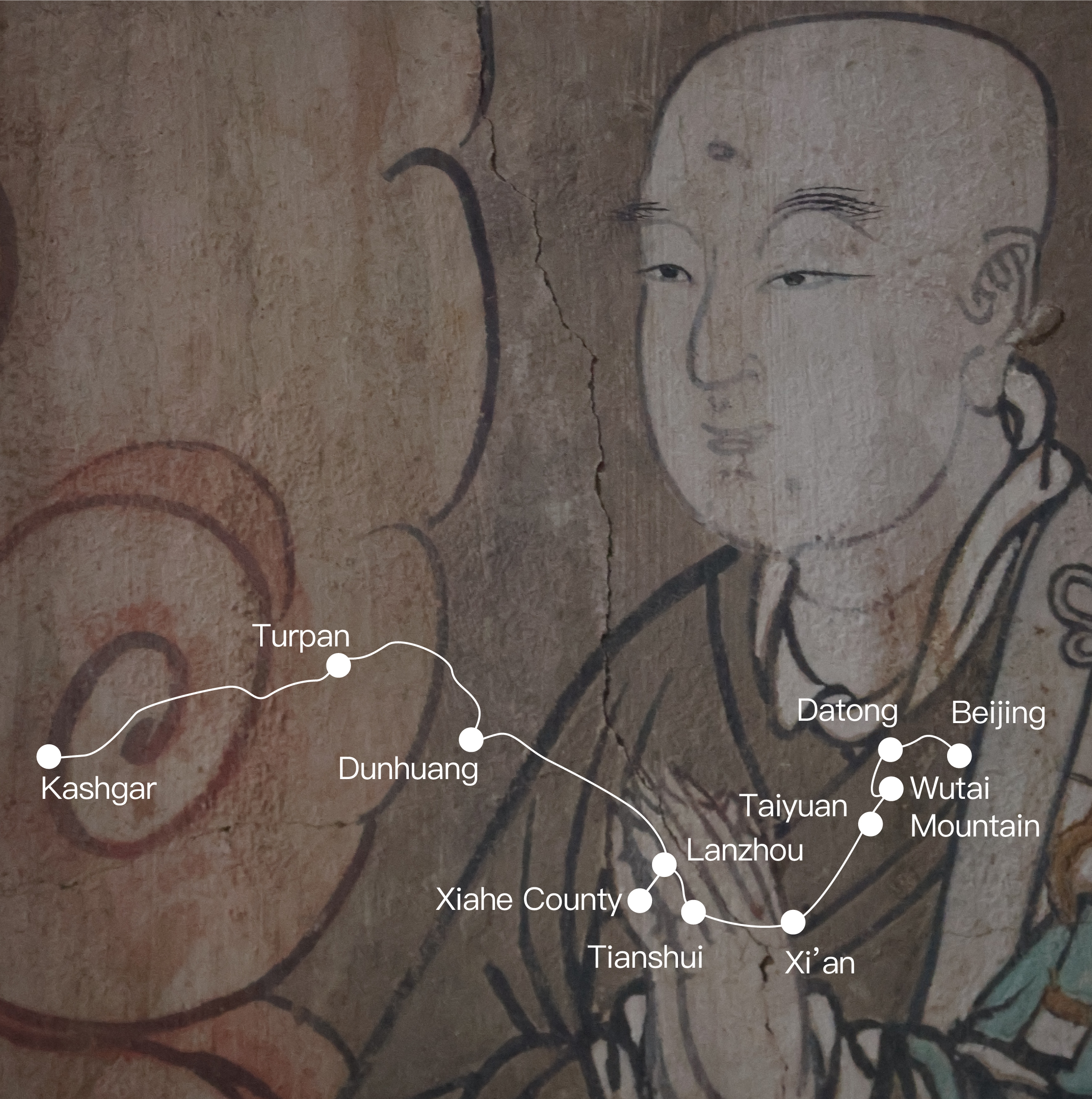
Journey Map
Design Philosophy

Shanxi is one of the birthplaces of Chinese culture, but also the link of nomadic civilization and farming civilization in history, the people here have the nomadic board personality and the fine spirit of agricultural civilization, after thousands of years of integration, here born the Shanxi's native culture. The carrier of these cultures is the ancient buildings where in the countryside and mountains in a large area. The ancient buildings, sculptures and rich murals are still saved in the scene of human life, which constitutes the full humanistic meaning of Chinese culture.
It is also related to the Buddhist art of the Silk Road. From here to Kashgar, we can fully understand the changes of Buddhist art, and trace the top beauty of traditional Chinese culture from the architecture, murals, and grottoes.
Journey Highlights
1.Stand before the Tang Dynasty wooden structures of Nanchan Temple and Foguang Temple, gazing up at the oldest memories of Chinese architecture, and feel the presence of Liang Sicheng's "Greatest National Treasure."
2.Ascend the Hanging Temple, perched on a sheer cliff, and witness the Chinese wisdom of harmonizing Confucianism, Buddhism, and Daoism under one roof.
3.Beneath the gaze of the giant Buddhas at the Yungang Grottoes, trace the milestone of Buddhist art's eastward transmission, carved under the patronage of the Northern Wei royal court.
4.Enter Wutai Mountain, climb the 1,080 steps of the "Great Wisdom Path" to Dailuoding for the "Lesser Pilgrimage," and amidst the Han-Tibetan chants, feel the cool serenity of Manjushri's sacred land.
5.Before the murals and painted sculptures of the Mogao Grottoes – 735 caves and 45,000 square meters of artistic treasure – touch the culmination of Silk Road civilizations.
6.From the Bezeklik Thousand-Buddha Caves in Turpan to the Id Kah Mosque in Kashgar, journey through the full western section of the Silk Road, where Buddhist art met Islamic civilization.
Gallery


Photos could not be loaded. Please try again.
Itinerary
Arrive in Beijing. Free at leisure to prepare for the upcoming cultural journey through Shanxi, Shaanxi, Gansu, and Xinjiang.
Accommodation: Beijing Hotel
Meals: Breakfast (own expense) / Lunch (own expense) / Dinner (own expense)

Take a morning high-speed train to Datong – the capital of the Northern Wei Dynasty and once the Buddhist art center of northern China. In the afternoon, visit the Yungang Grottoes, one of China's four great grottoes. Carved under royal patronage, the cave sculptures blend Indian, Central Asian, and Central Plains artistic styles – a landmark in the eastward transmission of Buddhist art. Then stroll through Datong Ancient Town, feeling the weight of this frontier fortress city beneath its ancient walls.
Accommodation: Datong Hotel
Meals: Breakfast (hotel) / Lunch (included) / Dinner (included)
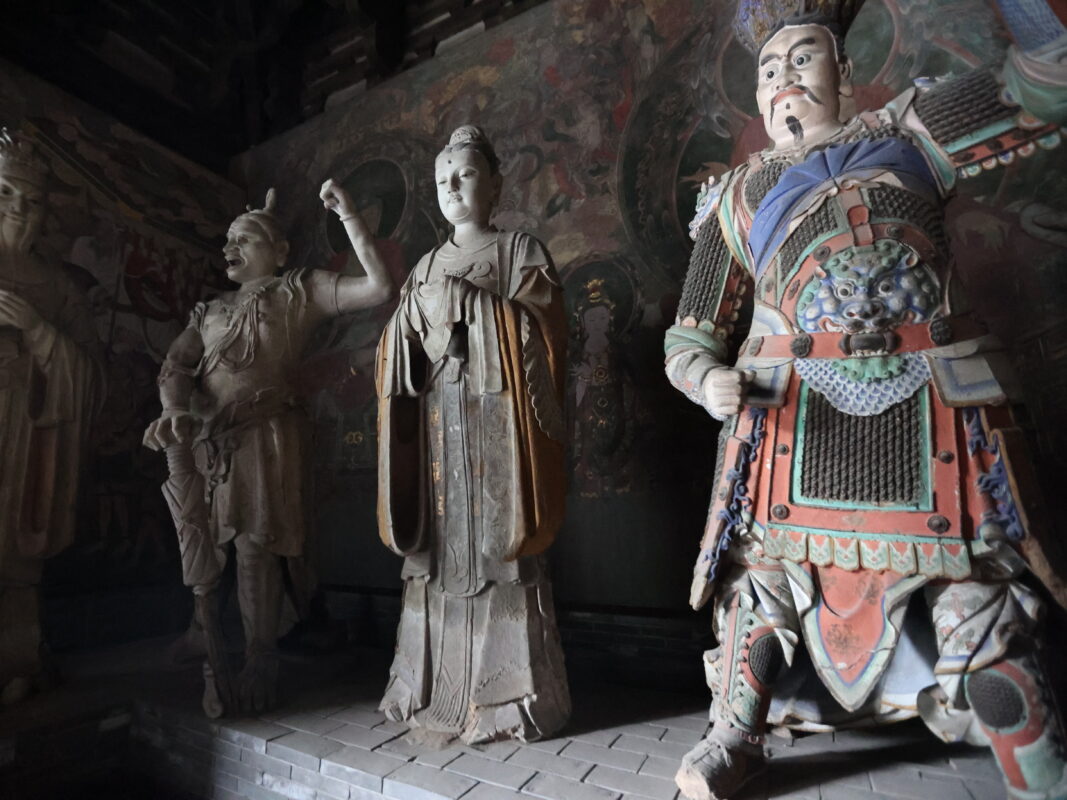
Explore the ancient temple treasures of Datong and its surroundings. Huayan Temple, a Liao Dynasty royal monastery, houses the "Heavenly Palace Loft" – China's oldest wooden sutra cabinet – and the "Venus of the East," a standing bodhisattva with a revealing smile. Shanhua Temple, first built in the Tang and rebuilt in the Jin, preserves a magnificent Liao-Jin architectural complex, with five great Buddhas and vibrant murals in its main hall. The Hanging Temple, clinging to a sheer cliff in the Hengshan Mountains, uniquely honors Confucianism, Buddhism, and Daoism under one roof – a marvel for over 1,500 years. Yongan Zen Temple in old Hunyuan contains exceptionally well-preserved Yuan Dynasty water-land murals, rich with figures and luminous color.
Accommodation: Datong Hotel
Meals: Breakfast (hotel) / Lunch (included) / Dinner (included)
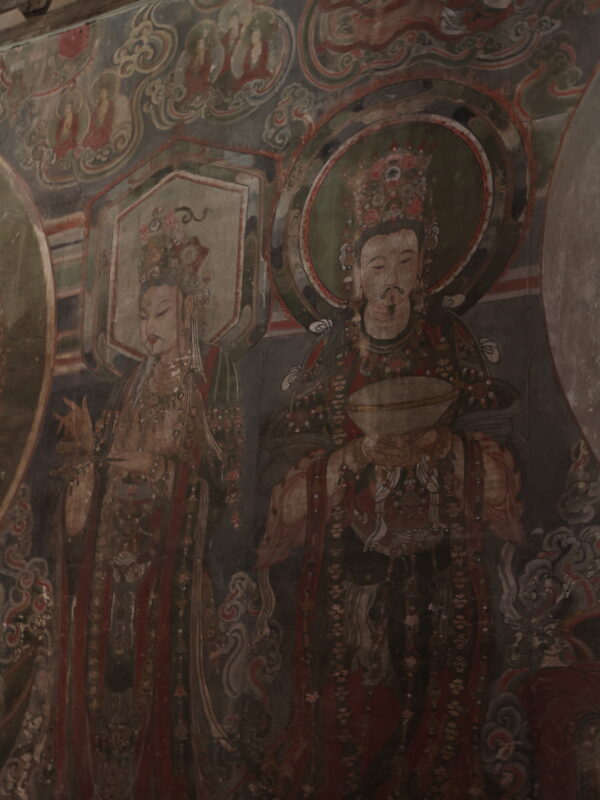
Continue into the hidden ancient temples of northern Shanxi. Nanchan Temple is the oldest surviving wooden structure in China (782 AD). Its main hall still holds original Tang Dynasty painted sculptures – living fossils of Tang sculptural art. Foguang Temple, called "China's greatest national treasure" by Liang Sicheng, features an original Tang eastern hall, where Tang murals, sculptures, inscriptions, and the architecture itself – the "Four Perfections" – stand as a pinnacle of classical Chinese architecture. Gongzhu Temple, first built in the Northern Wei, preserves exquisite Ming Dynasty water-land murals, a masterpiece of Shanxi mural art.
Accommodation: Datong Hotel
Meals: Breakfast (hotel) / Lunch (included) / Dinner (included)
Enter Wutai Mountain – the foremost of China's Four Sacred Buddhist Mountains, the bodhimanda of Manjushri. Pusading is the head of the Yellow Hat (Gelug) monasteries on Wutai, visited multiple times by Emperors Kangxi and Qianlong, a center of Tibetan Buddhism here. Xiantong Temple, the oldest monastery on Wutai (Eastern Han foundation), features exquisite Ming Dynasty cast-bronze halls and pagodas. Tayuan Temple houses the White Stupa, the symbol of Wutai Mountain, said to contain relics of Shakyamuni Buddha. Wuye Temple receives the most pilgrims, a vivid fusion of folk belief and Buddhism. Shuxiang Temple enshrines Wutai's largest Manjushri riding a lion – a nearly 10-meter-tall Ming Dynasty painted sculpture. Bishan Temple, known for its strict monastic discipline, preserves a Qing Dynasty imperial Tripitaka.
Accommodation: Wutai Mountain Hotel
Meals: Breakfast (hotel) / Lunch (included) / Dinner (included)
Go deeper into Wutai Mountain, exploring remote temples beyond Taihuai Town. Climb the 1,080 steps of the "Great Wisdom Path" to Dailuoding, making the "Lesser Pilgrimage" to the Five Manjushris and looking down over Taihuai Town. Zhulin Temple was founded by the Tang monk Fazhao, a patriarch of the Pure Land school. Longquan Temple is famous for its stone carvings – its front archway is called "the finest stone carving in northern China." Jinge Temple, one of the highest on Wutai, houses a 17.7-meter-tall Ming Dynasty cast-bronze thousand-armed Guanyin. Qingliang Temple gave Wutai its original name ("Qingliang" means "clear and cool"); its "Qingliang Stone" is said to mark where Manjushri taught the Dharma.
Accommodation: Wutai Mountain Hotel
Meals: Breakfast (hotel) / Lunch (included) / Dinner (included)
In the morning, visit Hongfu Temple – a Jin Dynasty gem hidden in the countryside of Dingxiang. Its main hall preserves exceptional Jin Dynasty painted sculptures and murals, a classic example of a rural Shanxi temple. Afternoon transfer to Taiyuan and flight to Xi'an, the ancient capital of thirteen dynasties.
Accommodation: Xi'an Hotel
Meals: Breakfast (hotel) / Lunch (included) / Dinner (included)
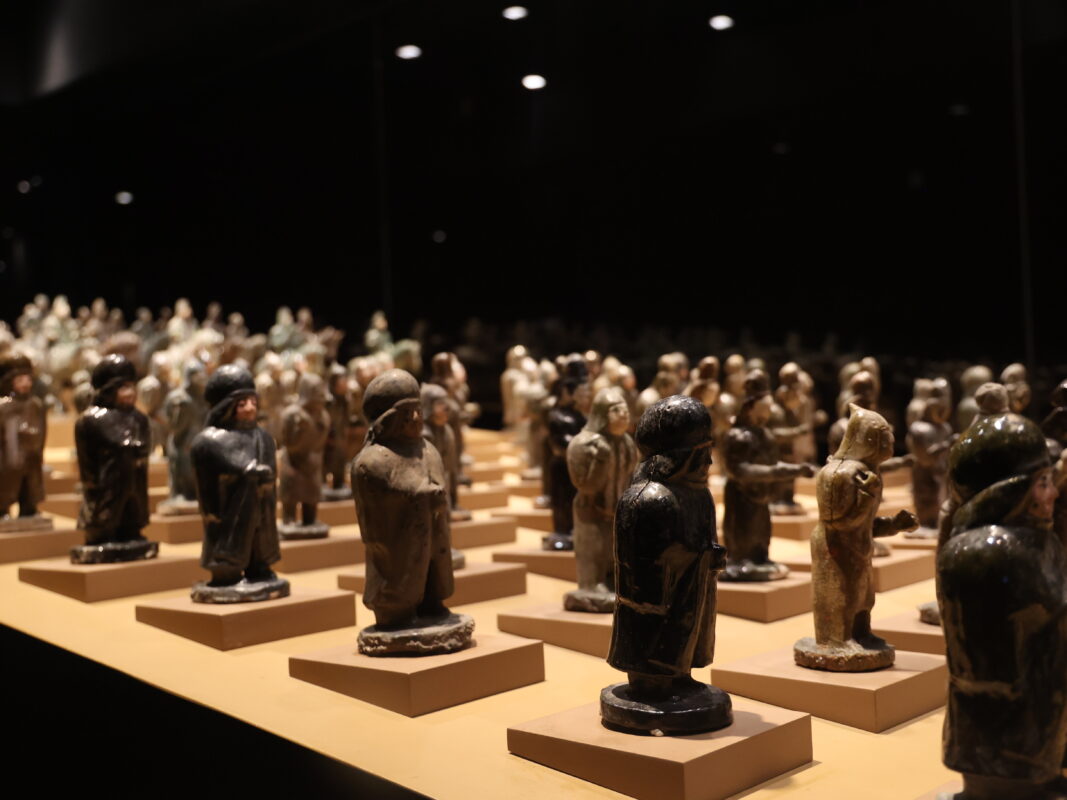
Morning visit to Xi'an's landmarks: Drum Tower, Bell Tower, and the Huajuexiang Mosque, a unique blend of Chinese timber architecture and Islamic style – living witness to the meeting of civilizations on the Silk Road. Afternoon visit to the Terracotta Army – the guardian legions of Qin Shi Huang's mausoleum. Thousands of life-sized warriors, each face unique, stand as the pinnacle of Qin Dynasty sculpture. Evening enjoy the Tang Dynasty Music and Dance Show at the T'ang Dynasty Theatre, experiencing the splendor of the Golden Age.
Accommodation: Xi'an Hotel
Meals: Breakfast (hotel) / Lunch (included) / Dinner (included)
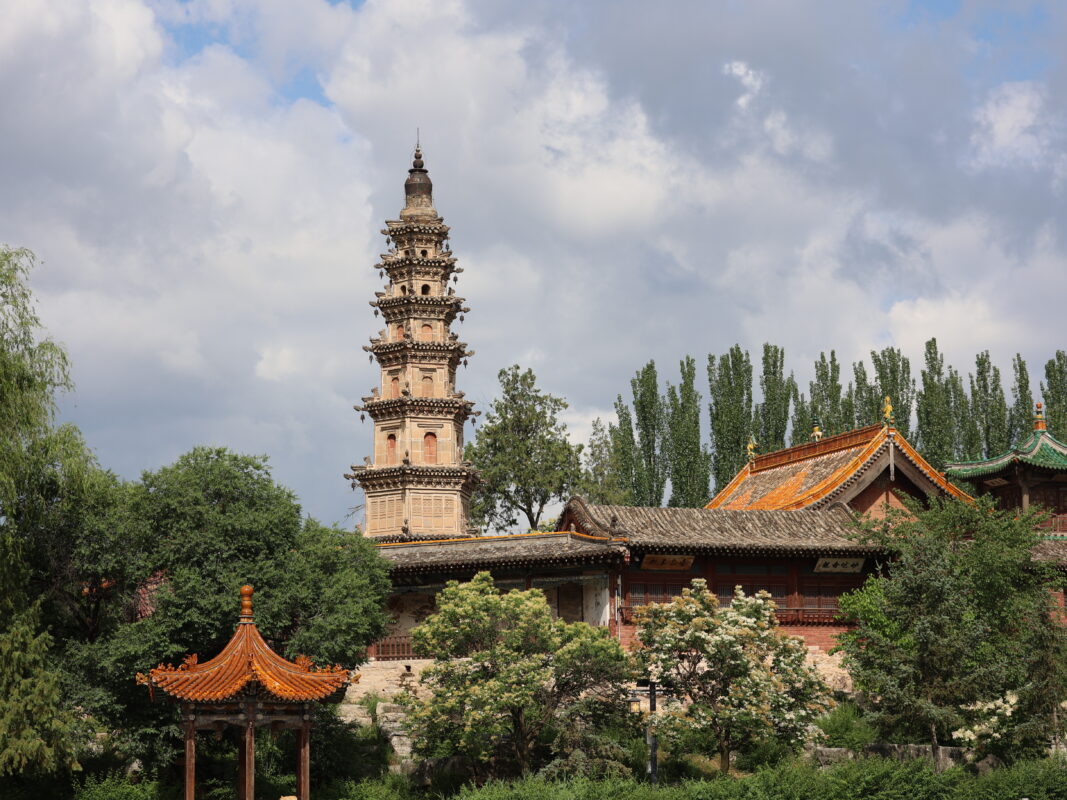
Morning visit to the Big Wild Goose Pagoda – built by the monk Xuanzang to house the scriptures he brought from India, a symbol of Buddhist translation and eastward transmission. Afternoon high-speed train to Tianshui, hometown of the legendary sage Fuxi and a key Silk Road hub.
Accommodation: Tianshui Hotel
Meals: Breakfast (hotel) / Lunch (included) / Dinner (included)
Morning visit to Fuxi Temple – China's largest sacrificial complex dedicated to the mythical progenitor Fuxi, an important site in tracing the origins of Chinese civilization. Then visit Shuilian Dong (Lashao Temple), where a Northern Zhou cliff relief of a seated Buddha stands over 40 meters tall – a masterpiece of Silk Road grotto art. Afternoon high-speed train to Lanzhou, the "City of the Yellow River."
Accommodation: Lanzhou Hotel
Meals: Breakfast (hotel) / Lunch (included) / Dinner (included)
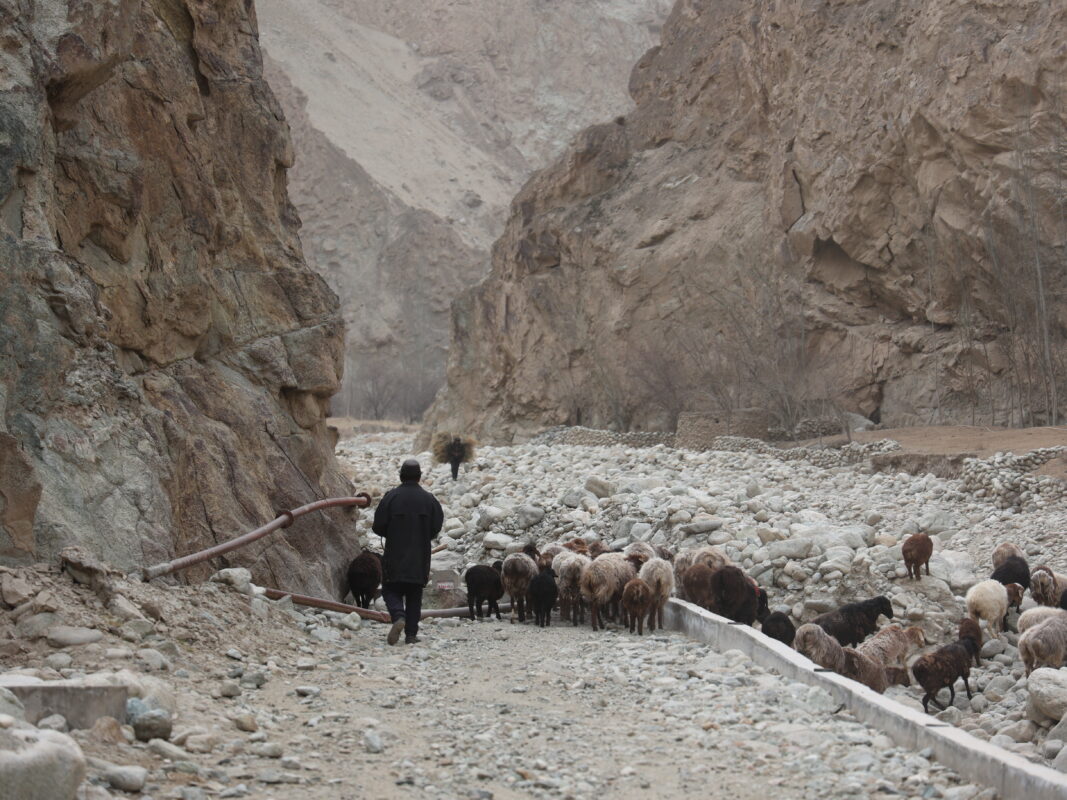
Morning drive to Bingling Temple Grottoes. Take a speedboat through the Yellow River canyon to reach this hidden treasure – home to China's earliest dated grotto inscription (420 AD). Here, Western Qin sculptures and Tibetan murals engage in a thousand-year dialogue. Then drive to Linxia – often called "China's Mecca" – to explore the Muslim bazaar and mosque, experiencing the cultural fusion of Hui, Dongxiang, and Salar peoples. Continue to Xiahe, entering the heart of the Amdo Tibetan region.
Accommodation: Xiahe Hotel
Meals: Breakfast (hotel) / Lunch (included) / Dinner (included)
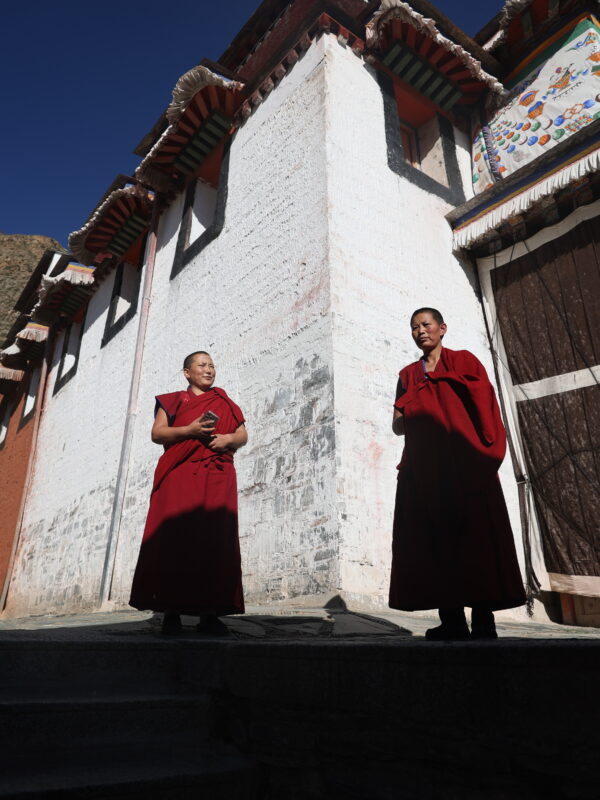
Full day exploring Labrang Monastery – the cultural center of Amdo Tibet, often called the "Second Tibet." Join a monk-led tour of the Medical College, Butter Sculpture Hall, Simhanada Buddha Hall, and Sutra College, gaining insight into Tibetan Buddhism's educational system. Climb the Gongtang Pagoda for a panoramic view of Labrang, golden roofs blending into the vast grassland. In the evening, walk alongside the pilgrims turning prayer wheels, feeling the power of devotion.
Accommodation: Xiahe Hotel
Meals: Breakfast (hotel) / Lunch (included) / Dinner (included)
Drive back to Lanzhou and take a flight to Dunhuang – the "Pearl of the Silk Road" and treasure house of Buddhist art.
Accommodation: Dunhuang Hotel
Meals: Breakfast (hotel) / Lunch (included) / Dinner (included)
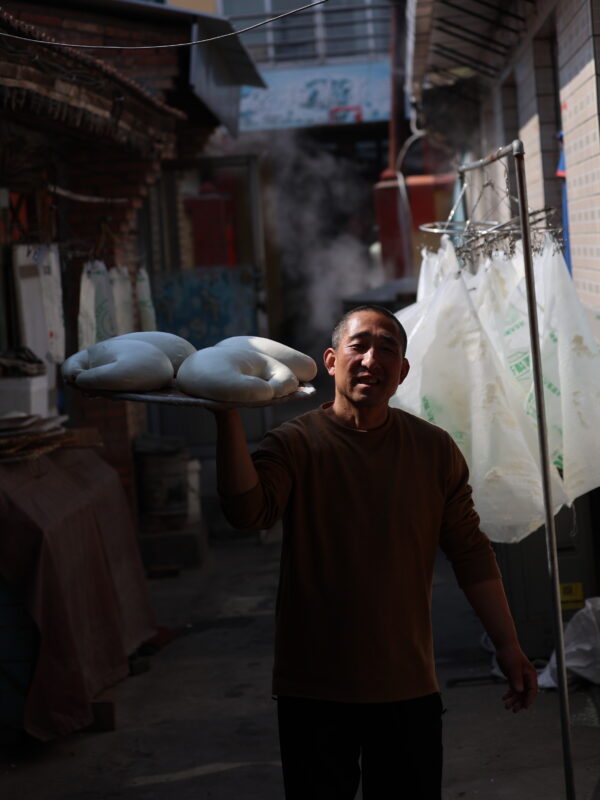
Morning visit to the Mogao Grottoes – a UNESCO World Heritage site. With 735 caves, 45,000 square meters of murals, and 2,415 painted statues, it is the largest and richest collection of Buddhist art in the world – the culmination of Silk Road civilizations. Afternoon at the Mogao Grottoes Research Institute, under the guidance of an intangible cultural heritage artist, start from grinding pigments and try copying a mural yourself, touching the colors and faith that flowed along the Silk Road. Then head to Mingsha Mountain, ride a camel across the dunes, and experience the beauty of a desert sunset.
Accommodation: Dunhuang Hotel
Meals: Breakfast (hotel) / Lunch (included) / Dinner (included)
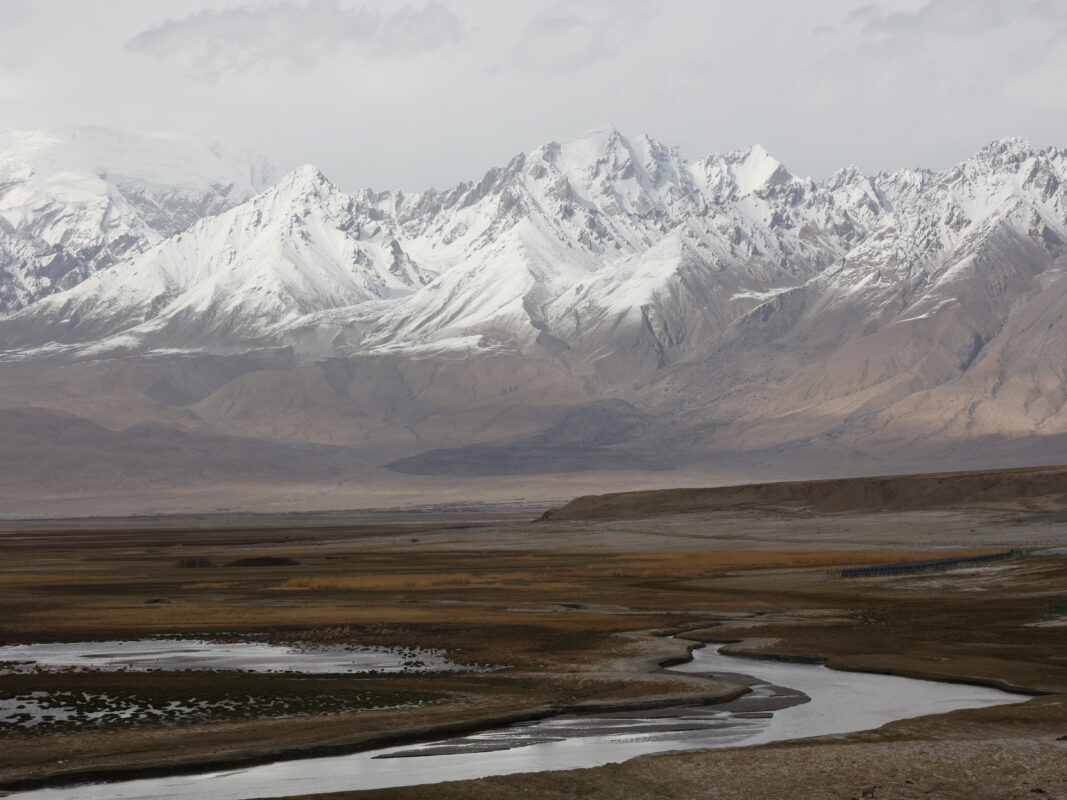
Transfer to Liuyuan Station and take a high-speed train to Turpan – the gateway to Xinjiang, the hottest basin in China.
Accommodation: Turpan Hotel
Meals: Breakfast (hotel) / Lunch (included) / Dinner (included)

Morning visit to the Astana Tombs, the burial ground of Gaochang Kingdom and Tang Dynasty elites. The silk paintings, manuscripts, and textiles unearthed here are invaluable treasures for Silk Road studies. Then visit the Bezeklik Thousand-Buddha Caves, the royal Buddhist grottoes of the Uighur Kingdom. Despite centuries of plunder and destruction, the surviving murals still hint at the "Second Dunhuang of Buddhism."
Accommodation: Turpan Hotel
Meals: Breakfast (hotel) / Lunch (included) / Dinner (included)
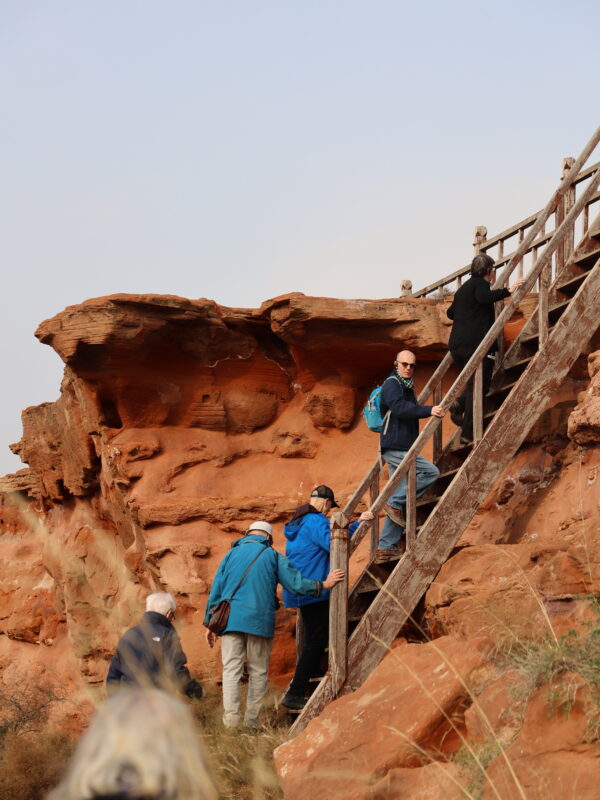
Morning visit to the Karez – the underground irrigation system often ranked with the Great Wall and the Grand Canal as one of China's three great ancient engineering feats; the Emin Minaret – the largest surviving ancient tower in Xinjiang, a masterpiece of Islamic architecture; and Jiaohe Ancient City – the world's largest, oldest extant earthen city, once headquarters of the Tang Dynasty's Anxi Protectorate. Afternoon flight to Kashgar, the heart of Uighur culture.
Accommodation: Kashgar Hotel
Meals: Breakfast (hotel) / Lunch (included) / Dinner (included)
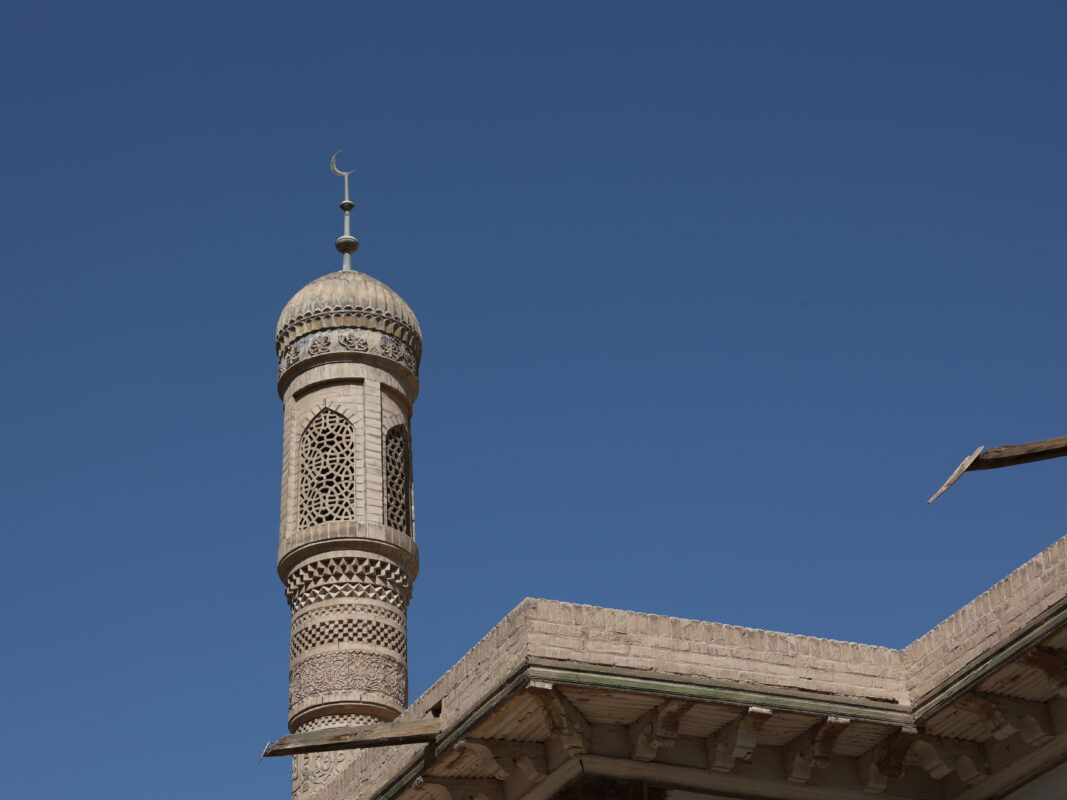
A full day immersed in Kashgar. The Id Kah Mosque is Xinjiang's largest mosque and the spiritual landmark of Kashgar. Wander through the Old Bazaar, a maze of lanes where handicrafts, dried fruit, and spices fill the air – a living Silk Road market. If your visit falls on a Sunday, don't miss the Animal Bazaar – Xinjiang's largest livestock market, where traditional "sleeve-trading" still happens, a living museum of nomadic life.
Accommodation: Kashgar Hotel
Meals: Breakfast (hotel) / Lunch (included) / Dinner (included)
After breakfast, transfer to the airport and take a flight back to Beijing. End of the journey.
Meals: Breakfast (hotel) / Lunch (own expense) / Dinner (own expense)
What's Included
Inclusions
- ✓ High-speed train and flight tickets as listed in the itinerary, including the flight from Kashgar to Beijing;
- ✓ Excellent English-speaking tour guide service throughout the itinerary;
- ✓ Lunch and dinner daily at local specialty restaurants to enjoy authentic local cuisine;
- ✓ Accommodation at city hotels as listed in the itinerary;
- ✓ Private vehicle service throughout the itinerary: commercial tourist coach;
- ✓ Entrance fees to all attractions listed in the itinerary;
- ✓ Daily bottled water and fresh fruit in the vehicle;
- ✓ Domestic travel insurance.
Exclusions
- ✕ Optional activities and other personal expenses not mentioned in inclusions;
- ✕ Personal expenses incurred during the itinerary.
Related Journeys
 8 days