

- Camel Bells
- Buddha’s Light & Sacred Cham
- The Heart of the Silk Road
- Rainforest Secrets & Dai Charm
- Pastoral Echoes on the Snow Plateau
- Echoes of the Tea-Horse Road
- The Tea-Horse Road
- The Heart of the Silk Road Where Civilizations Meet
- Across the Tianshan: Heart of the Silk Road
- The Eastward Spread of Buddhist Radiance

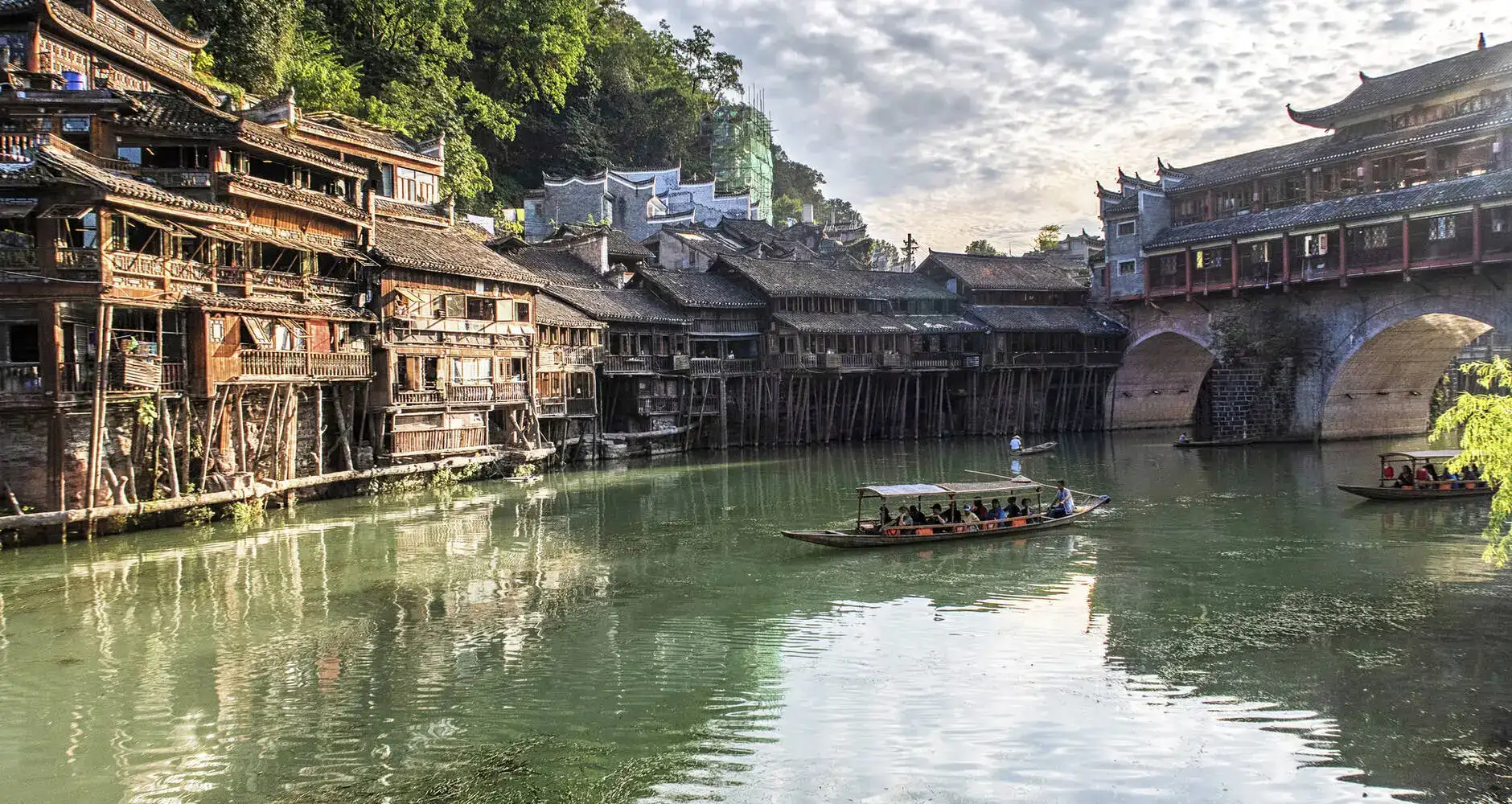


In Danba
seek out each watchtower that has survived war and earthquake, witnessing a thousand-year Gyalrong legacy deep in the Hengduan Mountains. At Zheduo Mountain, cross the first pass above 4,000 meters on the Sichuan-Tibet Highway – at this dividing line between Han and Tibetan cultures, look back at where you have come and ahead to where you are going.

Day 2
Lanzhou-Xiahe
Depart Lanzhou for Bingling Temple Grottoes. Take a speedboat through the Yellow River canyon to find China's earliest dated grotto inscription. Then drive to Linxia to visit Gongbei (Sufi mausoleums). Continue to Xiahe.
Accommodation: Xiahe Hotel
Meals: Breakfast (hotel) / Lunch (included) / Dinner (included)


